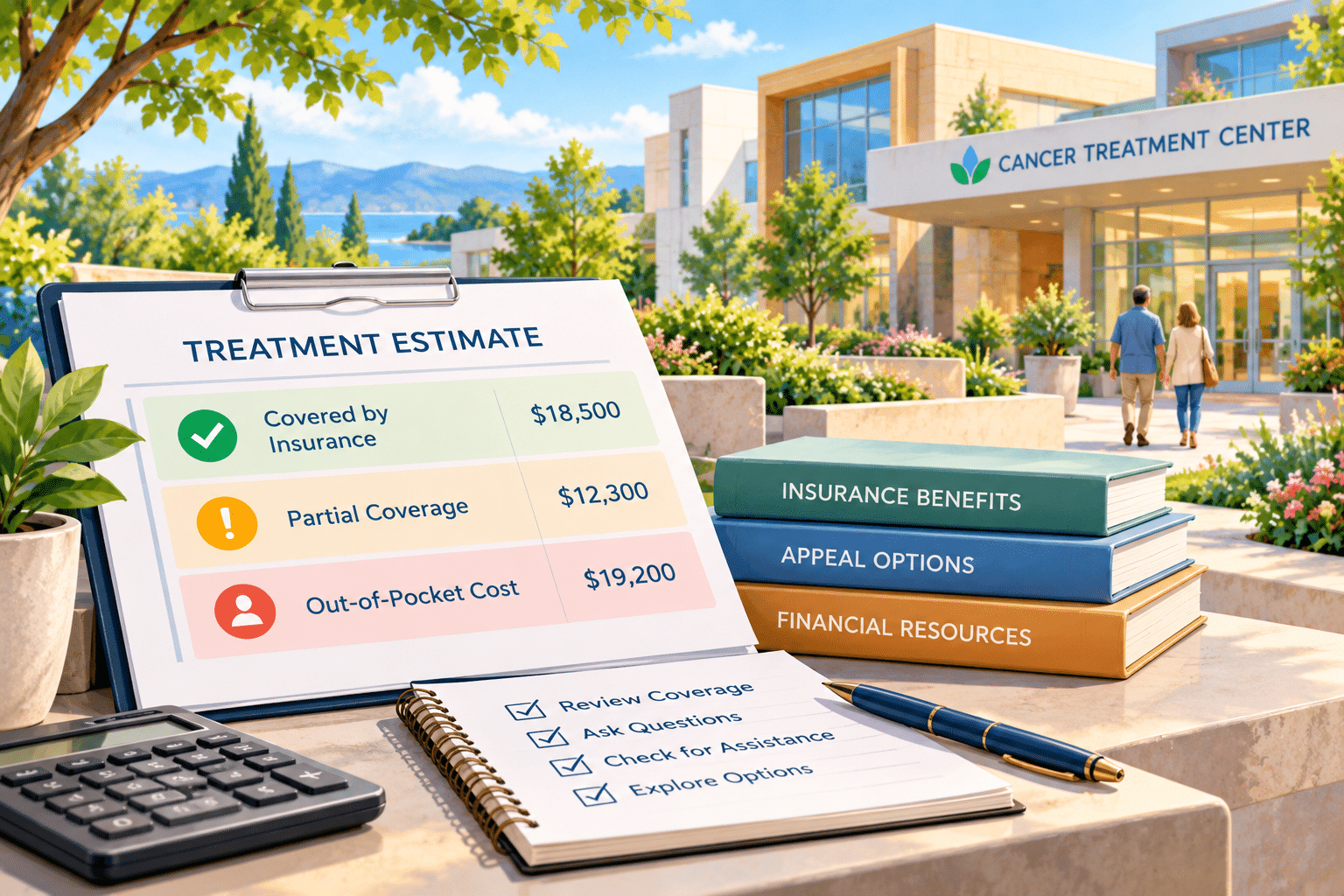
Many cancer patients searching for alternatives quickly discover a new financial reality: holistic cancer treatment is often not covered by traditional insurance. Clinics may operate outside the conventional reimbursement model, therapies are frequently personalized, and treatment plans can extend over months.
For patients who believe holistic or integrative care is the right path, the question becomes immediate and practical:
How do people actually pay for holistic cancer treatment?
The truth is that most patients who successfully pursue holistic cancer care do not rely on one financial source. They combine several strategies—some small, some large—to create a workable plan.
This article explains the most common ways patients fund holistic cancer treatment and how combining multiple financial tools can help make treatment possible.
What is holistic cancer treatment?
Holistic cancer treatment focuses on treating the whole person rather than only the tumor. These programs often look at the body’s immune system, metabolism, inflammation levels, nutrition, emotional health, and environmental factors alongside conventional oncology.
Holistic cancer treatment may include therapies such as:
- nutrition therapy and metabolic support
- detoxification protocols
- immune-support therapies
- IV vitamin or nutrient therapy
- mind-body treatments such as meditation or stress reduction
- physical therapies that support recovery and resilience
Patients pursuing holistic care often want to support the body’s ability to tolerate treatment, improve quality of life, and strengthen overall health during cancer therapy.
What is the difference between holistic cancer treatment and integrative cancer treatment?
Patients frequently ask whether holistic cancer care and integrative oncology are the same thing.
While the terms are related, they are not identical.
Holistic cancer treatment generally refers to care that focuses on the entire person—body, mind, and environment—and may include therapies that operate outside the conventional oncology system.
Integrative cancer treatment usually combines conventional cancer therapies such as surgery, chemotherapy, radiation, or immunotherapy with supportive therapies like nutrition, acupuncture, or metabolic support.
In practice, many patients combine both approaches. They may continue working with oncologists while also pursuing supportive therapies that help them tolerate treatment and maintain quality of life.
Why holistic cancer treatment is often paid out of pocket
Holistic cancer programs often operate outside the insurance billing structure used by hospitals and conventional oncology clinics.
Insurance companies typically require standardized billing codes and widely adopted treatment protocols. Many holistic therapies do not fit within those categories—even when patients find them beneficial.
As a result, patients commonly pay for:
- treatment program fees
- laboratory testing not fully covered by insurance
- nutritional support and supplements
- IV therapies or supportive treatments
- travel and lodging when clinics are out of state
This is why planning how to pay for holistic cancer care becomes such an important part of the decision.
Using your life insurance to pay for cancer treatment
One of the largest funding tools available to some cancer patients is life insurance.
A life insurance policy may provide access to funds through two primary mechanisms: accelerated death benefit riders or viatical settlements.
Accelerated Death Benefit Rider (ADB)
Some life insurance policies include an Accelerated Death Benefit Rider, which allows policyholders with serious illnesses to access a portion of the death benefit early.
Patients often ask, “Can I use my life insurance while I’m still alive?” With an ADB rider, the answer may be yes. If the policy qualifies and the insurer approves the claim, the policyholder can receive part of the death benefit while living.
These funds can be used to support treatment expenses, living costs, or other financial needs during care.
Viatical settlement
A viatical settlement allows a policyholder with a serious illness to sell their life insurance policy to a licensed buyer in exchange for a lump-sum payment.
Unlike loans, a viatical settlement does not require repayment. The policy ownership transfers to the buyer, and the patient receives cash that can be used for treatment costs, travel, household expenses, or other needs.
For patients pursuing holistic cancer treatment, the flexibility of these funds can make a meaningful difference.
How Cancer Care Financial helps
Cancer Care Financial works with cancer patients who have life insurance policies and want to explore whether those policies can be converted into funding through a viatical settlement.
For patients pursuing holistic or integrative cancer care, life insurance can sometimes provide the largest single source of flexible funding available.
Cancer Care Financial helps patients understand:
- whether their life insurance policy may qualify
- how the viatical settlement process works
- what options may exist based on their policy and medical situation
The goal is simple: help patients access the value of their policy so treatment decisions are not limited by financial pressure.
GoFundMe and community fundraising
Crowdfunding has become one of the most common ways patients raise money for cancer care. Platforms like GoFundMe allow patients to share their story and invite support from friends, family, and extended communities.
Patients often ask, “Does crowdfunding actually work for cancer treatment?” In many cases it does, especially when communities rally around someone facing serious illness.
Successful fundraising campaigns often include:
- clear explanations of treatment goals
- transparency about costs
- regular updates during treatment
- sharing across social networks and community groups
While crowdfunding rarely covers every expense, it can provide meaningful support for travel, lodging, or specific therapies.
Friends and family support
Many patients receive help directly from friends and family. This support may come in the form of:
- direct financial contributions
- temporary housing near treatment centers
- meal preparation or childcare
- transportation to appointments
Patients often hesitate to ask for help, but community support is one of the oldest and most effective ways people navigate serious illness.
Combining small contributions from multiple sources can often reduce financial stress significantly.
CareCredit and medical financing
Some patients use healthcare financing programs such as CareCredit to help cover portions of treatment.
CareCredit functions similarly to a medical credit line and may allow patients to spread treatment costs over time. Some providers offer promotional periods with reduced interest, though long-term rates can be higher.
Patients should carefully review repayment terms and interest structures before relying heavily on financing options.
Insurance billing and Med-One payment support
Even when holistic programs are primarily cash-pay, some treatment components may still qualify for insurance reimbursement.
Certain clinics work with medical billing services such as Med-One to help patients submit eligible treatments or diagnostic services to insurance.
While reimbursement is not guaranteed, billing assistance can sometimes recover a portion of expenses related to lab work or certain therapies.
Understanding what may qualify for reimbursement can help reduce overall treatment costs.
Health share programs
Health share programs have grown in popularity as alternatives to traditional insurance. These programs allow members to contribute monthly funds that are used to help pay for qualifying medical expenses among the group.
Some cancer patients use health share programs to offset portions of treatment costs when traditional insurance coverage is limited.
Coverage structures vary widely between programs, so patients should review eligibility requirements and reimbursement rules carefully.
The bottom line
Success with holistic cancer treatment often requires more than choosing the right therapies. It requires building a financial strategy that supports those choices.
Patients commonly combine multiple tools—community fundraising, family support, medical financing, insurance reimbursements, and life insurance funding—to make treatment possible.
Holistic cancer care is deeply personal. Having the financial flexibility to pursue the treatments you believe in can make the journey far more manageable.
When funding is aligned with treatment goals, patients are better positioned to focus on healing rather than financial stress.
People Also Ask
How do people pay for holistic cancer treatment?
Most patients combine several funding sources. These may include personal savings, community fundraising, family support, medical financing programs, and life insurance funding through options such as accelerated death benefits or viatical settlements.
Is holistic cancer treatment covered by insurance?
In many cases it is not. Holistic cancer clinics often operate outside traditional insurance billing models, meaning patients frequently pay out of pocket for therapies, testing, and treatment programs.
Can life insurance be used to pay for cancer treatment?
Yes. Some life insurance policies include accelerated death benefit riders that allow policyholders to access part of their death benefit early. Others may qualify for a viatical settlement, which converts the policy into a lump-sum cash payment.
What is a viatical settlement for cancer patients?
A viatical settlement allows a person with a serious illness to sell their life insurance policy for immediate cash. The funds can be used for treatment costs, living expenses, travel, or supportive care during cancer treatment.
Can crowdfunding help pay for holistic cancer care?
Crowdfunding platforms like GoFundMe are frequently used by cancer patients to raise money for treatment, travel, and supportive care expenses. Community support can play an important role in helping patients manage the financial burden of care.
What financial options exist when insurance doesn’t cover cancer treatment?
Patients often combine multiple strategies including fundraising, family support, medical credit programs, health share programs, and life insurance funding options to help cover treatment costs.
What is the difference between holistic cancer treatment and integrative cancer treatment?
Holistic cancer treatment focuses on the whole person and may operate outside conventional oncology. Integrative cancer treatment typically combines conventional therapies with supportive approaches such as nutrition therapy or acupuncture.
Can health share programs help with cancer treatment costs?
Some health share programs may provide assistance with qualifying medical expenses. Coverage varies by program, so patients should carefully review eligibility and reimbursement guidelines.