For cancer patients interested in exploring treatment beyond traditional hospital settings, finding the right medical center often begins with understanding what different facilities have to offer.
Three names that frequently appear during this research are Envita Medical Centers, Hope4Cancer, and Cancer Center for Healing.
Each has developed its own approach to integrative and personalized cancer care. Envita emphasizes precision medicine and advanced diagnostic testing. Hope4Cancer offers an immersive treatment experience at its facilities in Mexico. Cancer Center for Healing focuses on integrative oncology and whole-person care in Southern California.
Although these centers share an interest in treatment approaches that extend beyond conventional oncology alone, their philosophies, services, and patient experiences are not identical.
Understanding those differences can help patients determine which facilities they want to investigate further, what questions to ask, and how to prepare for the medical and financial commitments involved.
Envita Medical Centers: Precision Medicine and Personalized Cancer Treatment
Located in Scottsdale, Arizona, Envita Medical Centers has built its approach around personalized precision medicine.
Founded by Dr. Dino Prato, Envita emphasizes understanding the individual characteristics of a patient’s cancer rather than relying exclusively on treatment decisions based on cancer type and stage.
Its approach incorporates advanced laboratory testing, molecular and genomic information, and individualized treatment planning.
For patients who have already undergone conventional cancer treatment or are exploring additional options, this focus on personalization may be one of Envita’s principal attractions.
The center describes its treatment philosophy as combining conventional medical approaches with integrative therapies, with the specific combination determined by the patient’s circumstances.
What Makes Envita’s Approach Distinctive?
A central part of Envita’s model is its emphasis on investigating the biological characteristics of an individual patient’s disease.
The center uses specialized testing to help its physicians develop personalized treatment protocols. Its published materials also describe advanced immunotherapy approaches and custom-compounded medications.
This individualized model means that two patients with the same general cancer diagnosis may receive different treatment recommendations.
For someone considering Envita, understanding the evaluation process is particularly important. Patients should ask what testing is recommended, how the findings influence treatment planning, and what information will be available before they decide whether to proceed.
The center’s emphasis on precision medicine is a distinctive feature of its services, although the clinical evidence supporting individual therapies should be evaluated separately.
The Patient Experience at Envita
Envita operates in Scottsdale, making it accessible to patients throughout the United States without international travel.
However, patients coming from outside Arizona may need to arrange temporary accommodations and transportation depending on their treatment schedules.
Because treatment plans are individualized, patients should obtain information about the anticipated duration of care and the financial commitment associated with their proposed program.
Envita states that it does not accept insurance directly but provides documentation patients can submit for possible reimbursement, depending on their coverage.
For patients interested in personalized treatment approaches, the initial consultation and evaluation process offers an opportunity to better understand the center’s recommendations before making a larger commitment.
Hope4Cancer: An Immersive Integrative Treatment Experience in Mexico
Hope4Cancer offers a different treatment environment.
Founded by Dr. Antonio Jimenez, Hope4Cancer operates two facilities in Mexico: an inpatient center in Playas de Tijuana and an outpatient center in Cancun.
The organization describes its approach through its 7 Key Principles of Cancer Therapy, which guide its integrative treatment programs.
Its services include a range of alternative and complementary therapies, supportive care, nutritional guidance, and personalized treatment planning.
One of Hope4Cancer’s defining characteristics is the way it organizes treatment around an extended stay at one of its facilities.
A Three-Week Treatment Program
Hope4Cancer’s standard treatment program lasts approximately three weeks, although the duration may vary according to a patient’s medical circumstances.
Rather than arranging individual appointments over an extended period, patients generally participate in a coordinated schedule of treatment sessions and assessments.
The center also emphasizes the role of nutrition, emotional support, and education as part of its overall program.
Hope4Cancer’s published materials describe continued support after patients return home, including a home-care program and follow-up visits.
This structure may appeal to patients looking for a dedicated period of treatment with many aspects of the experience organized in advance.
Two Locations With Different Experiences
Hope4Cancer’s Tijuana facility provides inpatient care, with patients staying at the treatment center during their program.
Its Cancun location operates on an outpatient basis, with patients receiving treatment during the day and returning to nearby accommodations afterward.
Both facilities offer arrangements for a companion to accompany the patient, although the accommodations and daily routines differ.
The choice of location can influence the overall experience, particularly for patients who prefer an inpatient environment or those comfortable with outpatient care.
Because Hope4Cancer operates outside the United States, patients should also consider international travel requirements and the practical arrangements involved in receiving treatment in Mexico.
Understanding Hope4Cancer’s Treatment Costs
Hope4Cancer publicly describes a typical treatment price range of approximately $45,000 to $60,000, depending on the patient’s diagnosis and recommended program.
According to the center, its standard program includes numerous treatment sessions, accommodations for the patient and a companion, transportation between accommodations and the clinic, meals, and certain follow-up services.
Specific inclusions vary by location and program, so patients should confirm the details directly.
For someone researching Hope4Cancer, understanding what is included in the quoted price can be as important as understanding the therapies themselves.
The center’s organized treatment experience is a distinguishing feature, but patients should still review the medical evidence supporting proposed treatments and the complete financial commitment before enrolling.
Cancer Center for Healing: Integrative Oncology in Southern California
Located in Irvine, California, Cancer Center for Healing offers integrative oncology services through a multidisciplinary approach to cancer care.
The center is associated with the Center for New Medicine and emphasizes personalized treatment planning that considers both the patient’s cancer diagnosis and broader health circumstances.
Its approach, led by Dr. Erin Leigh Connealy combines conventional medical concepts with complementary and integrative therapies.
For patients interested in exploring integrative oncology while remaining in the United States, Cancer Center for Healing offers another established facility to investigate.
A Whole-Person Approach to Cancer Care
Cancer Center for Healing describes its philosophy as addressing the patient as a whole rather than concentrating exclusively on the cancer diagnosis.
Its services incorporate individualized medical evaluations, nutritional considerations, supportive therapies, and integrative treatment strategies.
The center also emphasizes understanding a patient’s medical history, lifestyle, and overall health when developing recommendations.
This approach may interest patients who want to explore supportive therapies alongside conventional oncology or who are researching additional treatment possibilities.
The center’s published materials, including The Cancer Revolution book by Dr. Connealy, describe care for patients at different stages of their cancer experience, including those who are newly diagnosed, undergoing treatment, or seeking ongoing support.
What Patients Can Expect
Cancer Center for Healing begins its admissions process with an initial inquiry and consultation arrangements.
Patients traveling from outside California are advised that an in-person visit to Irvine is required for their consultation and treatment planning.
The facility provides information about traveling to Southern California, accommodations, and preparing for treatment.
Unlike a program built around a standard three-week residential stay, patients should clarify the anticipated schedule of their individualized care.
Cancer Center for Healing states that it does not accept insurance directly but offers access to a third-party medical billing service.
Patients should discuss the financial arrangements with the center, including whether any services may qualify for insurance reimbursement and what expenses must be paid privately.
Finding the Right Treatment Center Begins With the Right Questions
The most useful way to approach these three facilities is not to assume that one offers a universally better program.
Their differences are substantial enough that patients may be attracted to each for different reasons.
Someone interested in advanced diagnostic testing and precision-based treatment planning may want to investigate Envita’s approach.
A patient seeking an organized, immersive treatment experience may be interested in Hope4Cancer’s programs in Mexico.
Someone exploring integrative oncology in Southern California may find Cancer Center for Healing worth considering.
These distinctions provide a starting point for research, not a determination of which center is medically appropriate.
Patients should examine the proposed treatments, the qualifications of the medical team, the evidence supporting specific therapies, and how the program would fit with their existing oncology care.
They should also understand what the center can realistically provide and what outcomes remain uncertain.
The right questions are often more valuable than a simple comparison of treatment centers.
The Financial Side of Exploring Specialized Cancer Care
For patients considering any of these facilities, treatment costs are an important part of the decision.
Specialized and integrative cancer programs may involve substantial expenses that are not fully covered by health insurance.
However, financial arrangements differ between facilities and individual treatment plans.
A patient considering Envita may need to understand the expenses associated with personalized testing and treatment recommendations.
Someone researching Hope4Cancer should review the services included in its program price and the costs associated with traveling to Mexico.
A patient exploring Cancer Center for Healing should understand the anticipated appointment schedule, private-pay arrangements, and any available insurance reimbursement options.
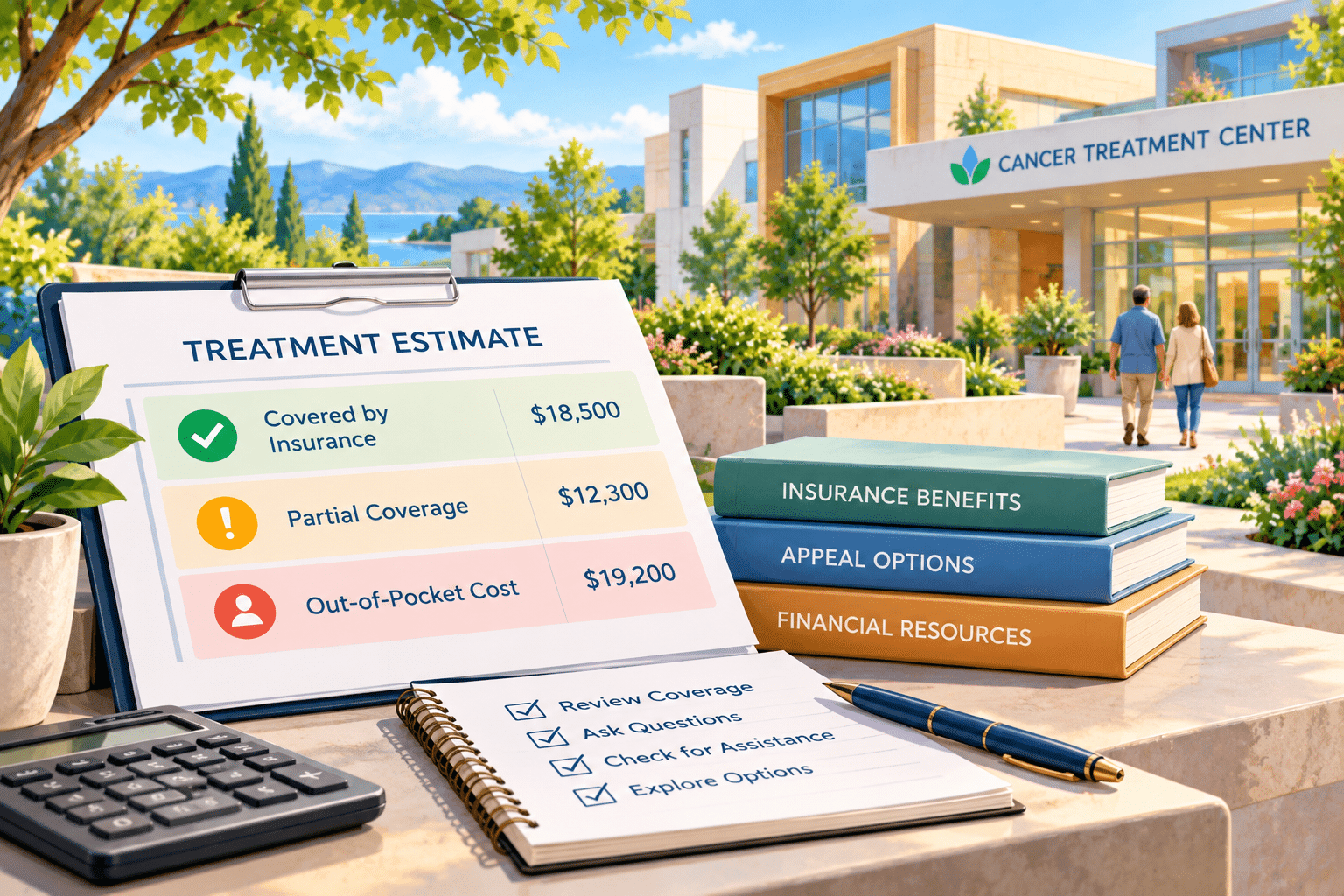
In each situation, obtaining a written estimate and understanding the complete financial commitment can help patients evaluate their options.
Some patients use personal savings or family resources to pursue specialized care. Others investigate financial assistance programs, payment arrangements, or existing assets.
For patients with serious cancer diagnoses, an individually owned life insurance policy may also provide a financial possibility worth exploring.
A viatical settlement allows an eligible policyholder to sell an existing life insurance policy for a cash payment that can be used for treatment, travel, living expenses, or other needs.
Cancer Care Financial specializes in viatical settlements and helping cancer patients evaluate this option. The company works with multiple buyers to seek competitive offers for eligible policies, without upfront fees or an obligation to accept a settlement.
Even certain term life insurance policies without cash surrender value may qualify.
Because selling a policy generally transfers its death benefit to the buyer, patients should consider the implications for their beneficiaries before proceeding.
For someone researching treatment at Envita, Hope4Cancer, Cancer Center for Healing, or another specialized facility, understanding the potential value of an existing policy may provide additional financial flexibility.
Exploring Cancer Treatment Options With Greater Confidence
Envita Medical Centers, Hope4Cancer, and Cancer Center for Healing each offer patients a different experience within the broader world of integrative and personalized cancer care.
Envita’s emphasis on precision medicine, Hope4Cancer’s structured treatment programs, and Cancer Center for Healing’s whole-person approach illustrate the variety of services available to patients exploring specialized facilities.
Those differences deserve careful consideration.
A treatment center’s philosophy may initially attract a patient, but the details of the proposed care, medical evidence, practical arrangements, and financial commitment ultimately provide a clearer picture of what participation would involve.
For some patients, remaining in the United States may be important. Others may be comfortable traveling internationally. Some may prefer a defined treatment program, while others want an individualized schedule developed through consultations and testing.
There is no single set of priorities that applies to everyone.
Understanding what makes each center distinctive allows patients to move beyond general descriptions of integrative cancer care and begin evaluating the options that genuinely matter to them.
With clear information about treatment approaches, expected costs, and available financial resources, patients can make decisions that reflect both their medical needs and personal circumstances.
People Also Ask
What is the main difference between Envita, Hope4Cancer, and Cancer Center for Healing?
Envita emphasizes precision medicine and individualized treatment planning in Scottsdale, Arizona. Hope4Cancer offers structured integrative treatment programs at two facilities in Mexico. Cancer Center for Healing provides integrative oncology and whole-person care in Irvine, California. Their treatment philosophies, services, and patient experiences differ.
Where is Envita Medical Centers located?
Envita Medical Centers is located in Scottsdale, Arizona. It offers personalized treatment approaches incorporating advanced diagnostic testing, precision medicine, and integrative therapies.
Does Hope4Cancer offer treatment in the United States?
No. Hope4Cancer operates two treatment facilities in Mexico: an inpatient center in Playas de Tijuana and an outpatient center in Cancun.
How much does Hope4Cancer treatment cost?
Hope4Cancer currently describes a typical treatment range of approximately $45,000 to $60,000, depending on the patient’s diagnosis and recommended program. Patients should confirm current pricing and program inclusions directly with the center.
Is Cancer Center for Healing located in the United States?
Yes. Cancer Center for Healing is located in Irvine, California, where it provides integrative oncology services and individualized treatment planning.
Do Envita and Cancer Center for Healing accept health insurance?
Both facilities state that they do not accept insurance directly. Envita provides documentation for possible insurance reimbursement, while Cancer Center for Healing offers access to a third-party medical billing service. Reimbursement depends on the patient’s coverage and the services provided.
Can life insurance help pay for treatment at specialized cancer centers?
Potentially. Patients with serious cancer diagnoses who own eligible individual life insurance policies may qualify for a viatical settlement. The proceeds can be used for treatment at a chosen facility, travel, accommodations, or other financial needs.