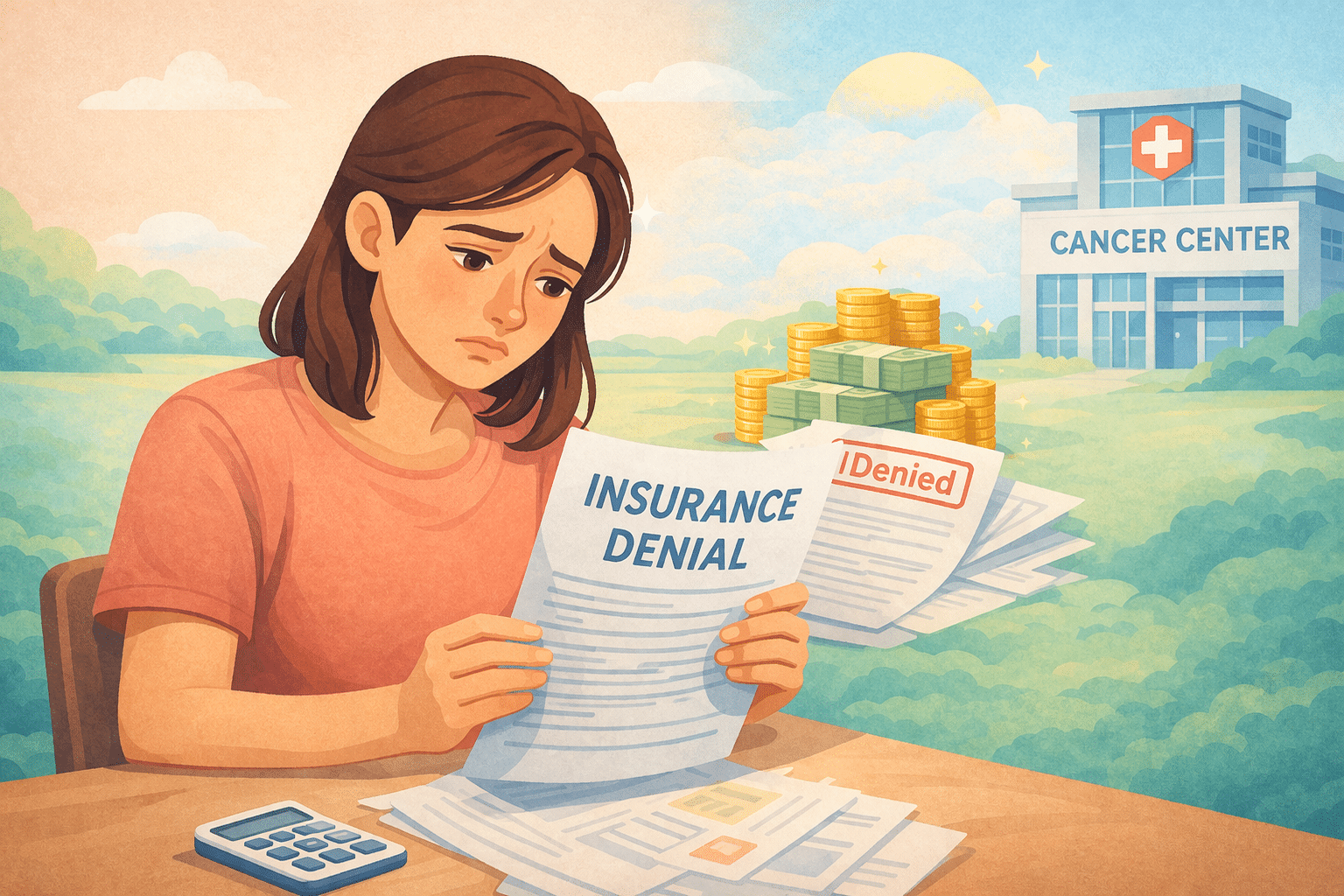
For many patients considering Hope4Cancer, one of the first questions is simple — will insurance cover any of it?
In most cases, the answer is no.
Because Hope4Cancer operates outside the traditional U.S. insurance system and focuses on integrative, non-toxic cancer therapies, the majority of its treatments are not covered by standard health insurance plans. For patients already navigating a diagnosis, that reality can come as a surprise — and often raises a much bigger question: how is this type of care actually paid for?
Why Insurance Typically Does Not Cover Hope4Cancer
Insurance companies operate within defined treatment guidelines based on what is considered “standard of care” in conventional oncology.
Hope4Cancer takes a different approach.
Its treatment programs often include:
- Immunotherapy and metabolic therapies
- Detoxification protocols
- Nutritional and whole-body support
- Hyperthermia and oxygen-based therapies
While many patients actively seek out these therapies, insurance companies may classify them as:
- Experimental
- Investigational
- Not medically necessary under current policy guidelines
This classification is not always a reflection of effectiveness — it is often a reflection of how slowly insurance systems adapt to newer or integrative approaches to cancer care.
What Insurance Might Cover — And What It Doesn’t
Even though Hope4Cancer treatment itself is typically not covered, there are limited situations where insurance may still play a role.
In some cases, patients may receive partial coverage for:
- Diagnostic testing performed in the U.S.
- Lab work or imaging ordered outside the clinic
- Medications prescribed by a U.S.-based physician
- Emergency care if needed during treatment
However, the core components of Hope4Cancer’s programs — including the treatment protocols, facility fees, and integrative therapies — are generally paid out-of-pocket.
Travel, lodging, and extended stays are also not covered.
The Gap Patients Experience
For many patients, the challenge is not just that insurance does not cover Hope4Cancer — it is how quickly the financial gap becomes clear.
Patients often expect at least partial support.
Instead, they find themselves responsible for:
- The full cost of treatment
- The cost of travel and lodging at the clinic
- Ongoing therapies and follow-up care
- Lost income during treatment
This creates a situation where the decision to pursue care becomes directly tied to financial flexibility.
Why Patients Still Choose Hope4Cancer
Despite the lack of insurance coverage, patients continue to seek out Hope4Cancer for one reason — it represents a different path.
For individuals who have exhausted conventional options, or who want a more integrative and personalized approach, the focus shifts from coverage to possibility.
That decision is rarely made lightly.
It is often driven by the desire to pursue every available option — even when those options require stepping outside the traditional system.
How Patients Are Paying for Hope4Cancer Treatment
Because insurance coverage is limited, patients typically rely on a combination of funding sources.
These may include:
- Personal savings
- Family support
- Crowdfunding campaigns
- Nonprofit grants
- Clinical trial participation (when applicable)
These resources can help, but they are often unpredictable and rarely designed to support long-term or comprehensive care.
As a result, many patients begin looking for more reliable ways to fund treatment.
Using Life Insurance for Hope4Cancer Treatment
One option that is becoming more widely understood is the use of an existing life insurance policy.
A viatical settlement allows a patient with a serious illness to sell their life insurance policy in exchange for a lump-sum cash payment.
These funds can be used for:
- Hope4Cancer treatment programs
- Travel and lodging
- Continued therapies and follow-up care
- Everyday living expenses during treatment
There are no restrictions on how the money is used.
There are no monthly payments.
And there is nothing to repay.
For patients facing the cost of out-of-pocket cancer treatment, this can provide a level of financial flexibility that other options cannot.
How to Sell Your Life Insurance With Cancer Care Financial
Not all viatical settlement companies operate the same way.
For patients considering Hope4Cancer, working with the nation’s best viatical settlement company can result in the highest result and best guidance.
Cancer Care Financial works exclusively with cancer patients and uses a proprietary auction-based process where multiple institutional buyers compete for each policy. This creates upward pressure on offers, helping patients receive the highest possible value for their policy.
This approach has helped patients pursuing Hope4Cancer access stronger funding — in many cases allowing them to begin treatment sooner and remain in care longer without financial interruption.
In a space where many companies represent investor interests, this model is designed to represent the patient.
The Bottom Line
Insurance coverage for Hope4Cancer treatment is limited — and for most patients, it does not play a meaningful role in covering the cost of care.
That reality can feel overwhelming at first.
But patients are not without options.
From savings and grants to more strategic financial tools like viatical settlements, there are ways to navigate the cost and move forward with treatment.
If you are considering Hope4Cancer, understanding how payment actually works — not just how treatment works — is an essential part of the decision.
People Also Ask
Does insurance cover Hope4Cancer treatment?
In most cases, no. Hope4Cancer operates outside traditional U.S. insurance systems, and its integrative therapies are typically not covered.
Can any part of Hope4Cancer be reimbursed by insurance?
Some patients may receive limited reimbursement for diagnostics, lab work, or medications performed in the U.S., but the core treatment is usually out-of-pocket.
How do patients pay for Hope4Cancer?
Patients often use a combination of savings, crowdfunding, grants, and alternative financial strategies such as viatical settlements.
Can life insurance be used to pay for cancer treatment?
Yes. A viatical settlement allows eligible patients to sell their life insurance policy for a lump-sum cash payment that can be used for treatment and related expenses. Companies like Cancer Care Financial helps patients access funds through a viatical settlement.