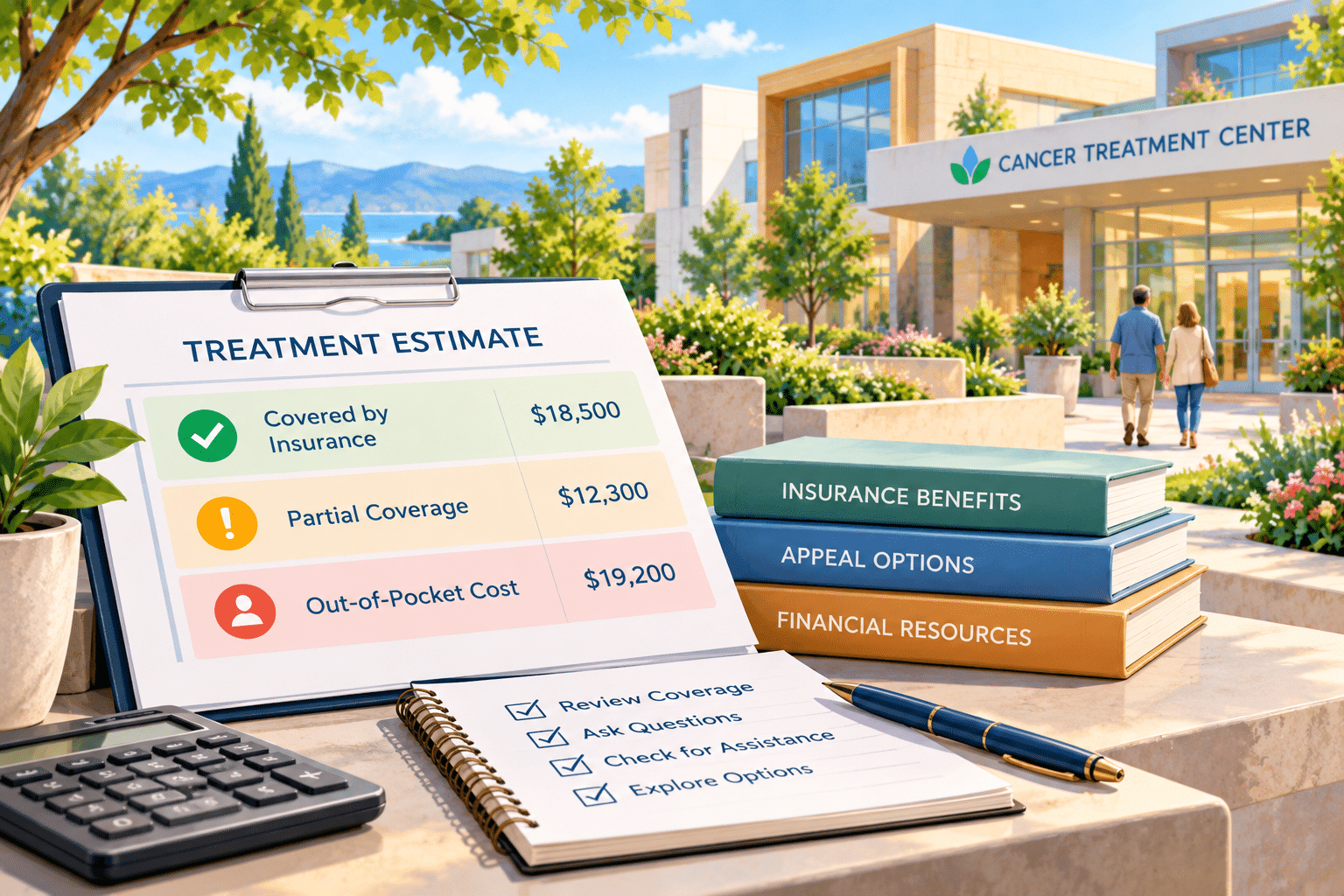
The past decade has reshaped where people go for advanced cancer care. Innovative clinics outside the United States—especially those combining conventional oncology with precision, metabolic, and whole-body therapies—are seeing more patients who are seeking a different approach, a second opinion, or access to therapies unavailable in the United States. Planning international travel for cancer treatment requires clarity early on. The financial picture is layered, and understanding it ahead of time helps patients stay grounded, informed, and in control.
This article offers a clear look at the real costs of international integrative cancer care: where patients are traveling, what drives pricing, which diagnoses commonly benefit, and how financial tools like viatical settlements are used to support treatment decisions.
Why Patients Travel for Integrative Cancer Care
Patients typically travel internationally for one of three reasons: access, philosophy, or specialization.
Access refers to therapies that are limited or unavailable in the U.S., such as advanced metabolic protocols, regional hyperthermia, immune-modulating treatments, dendritic cell vaccines, or comprehensive detoxification programs regulated differently abroad.
Philosophy matters just as much. Many international centers approach cancer through a whole-body lens, blending oncology with nutrition, metabolic repair, emotional support, precision diagnostics, and immune restoration.
Specialization draws patients to clinics known for particular cancer types or treatment combinations. Some centers focus heavily on immune-based therapies, others on metabolic intervention or advanced hyperthermia. These distinctions shape both outcomes and cost.
Where Patients Go: Leading Global Centers for Integrative Oncology
While integrative cancer care exists worldwide, several countries have become recognized hubs for structured, outcome-oriented programs serving U.S. patients.
Mexico
Cities like Tijuana, Tecate, and Cancun are well known for integrative oncology programs that combine metabolic therapy, low-dose chemotherapy, nutritional oncology, oxygen-based treatments, immune support, and localized hyperthermia. Many clinics offer multi-week programs tailored by cancer type and disease progression.
Germany
Germany is widely respected for advanced whole-body and regional hyperthermia, dendritic cell vaccines, biologic infusions, and precision immune testing. Patients with breast, colorectal, pancreatic, ovarian, and prostate cancers often travel here for targeted immune-based approaches.
Japan and South Korea
These countries are emerging destinations for advanced immunotherapy, microbiome-focused treatment, natural killer cell therapy, and precision genomic analysis. Programs are often highly structured and technologically driven.
Switzerland and Austria
Known for high-end integrative medical environments that blend oncology, metabolic repair, and detoxification. These centers often attract patients seeking comprehensive physical recalibration alongside cancer-directed care.
Latin America
Costa Rica and Colombia are increasingly popular for patients seeking extended integrative recovery programs at comparatively lower costs, particularly for supportive and complementary care.
Across all regions, treatment is typically delivered in immersive, multi-week formats rather than short outpatient visits.
Cancer Types Commonly Treated Through International Integrative Programs
Patients across nearly every diagnosis pursue care abroad, but certain cancer types appear most frequently in international integrative settings.
- Breast cancer patients, especially those with recurrent or advanced disease, often seek metabolic and immune-focused programs.
- Pancreatic cancer patients explore integrative approaches that complement conventional treatment.
- Colorectal and ovarian cancers are commonly treated through combined immune and metabolic strategies.
- Prostate cancer patients, including those with aggressive disease, frequently pursue targeted integrative protocols.
- Melanoma, sarcoma, and rare tumors also appear often, particularly when domestic options feel limited.
In most cases, international care is pursued alongside standard oncology rather than as a replacement.
Understanding the True Cost of Traveling Abroad for Cancer Treatment
The financial reality of international treatment extends far beyond a clinic’s advertised program fee. Costs form an ecosystem that unfolds across planning, treatment, and recovery.
Program and Treatment Fees
Most international clinics operate on structured program pricing, typically covering diagnostics, physician oversight, treatment delivery, and supportive therapies over a defined period.
Typical ranges include $10,000 to $40,000 for multi-week programs in Mexico, $25,000 to $65,000 or more in Germany depending on therapy intensity, and $20,000 to $50,000 in Japan or South Korea, particularly when cellular therapies are involved.
Travel and Flights
Airfare varies widely based on destination, timing, and medical needs. Flights to Mexico often range from $300 to $900, while European travel can cost $800 to $2,000. Asia-bound flights may exceed $3,000. Companion travel, upgraded seating, or medical escort services can significantly increase costs.
Lodging and Local Transportation
Medical lodging or nearby hotels are common. Weekly costs generally range from $500 to $1,500 in Mexico, $1,000 to $2,500 in Germany, and $1,200 to $2,800 in parts of Asia. Many patients stay longer than planned due to monitoring or recovery needs.
Supplements and Nutritional Protocols
Integrative programs often include targeted supplements, IV nutrients, and nutritional regimens. These can add $500 to $2,000 per month, depending on the protocol.
Follow-Up and Ongoing Care
Post-treatment care may include virtual follow-ups, continued supplementation, or additional testing once home. These ongoing expenses should be considered part of the overall plan.
Indirect Costs
Lost income, caregiver travel, childcare, and household expenses frequently represent some of the most overlooked costs. These factors often shape financial decisions as much as treatment fees themselves.
Financial Clarity: Planning Without Pressure
Patients who approach international care with clarity tend to ask a few key questions early.
What is the total cost beyond the treatment quote? Travel, lodging, supplements, and extended stays can add 30 to 60 percent to the posted program price.
How predictable are costs? Fixed-fee programs offer stability, while flexible protocols may shift week to week.
What financial tools allow for choice without added stress? Many patients explore combinations of personal savings, family support, insurance resources, and alternative funding strategies.
How Viatical Settlements Support International Cancer Care Treatments
For patients with advanced diagnoses who own life insurance, viatical settlements can provide immediate financial flexibility. By accessing the value of an existing policy, patients can create liquidity to support treatment travel, living expenses, and recovery without taking on debt. Selling a life insurance policy to fund cancer is a powerful financial tool that can open doors to international cancer treatment expenses. Companies like Cancer Care Financial assist cancer patients looking to sell their life insurance policy.
Patients often use these funds to cover full range of cancer treatment costs, international program deposits, airfare and lodging, extended recovery stays, caregiver travel, or to stabilize household finances during treatment. The purpose is not to replace other resources, but to widen options and reduce pressure at a critical time.
The Personal Dimension of Traveling for Care
Beyond logistics and treatment plans, international care carries emotional weight. Being immersed in a structured environment away from daily routines can offer mental clarity and renewed focus. Patients often describe the experience as reclaiming agency—choosing movement over waiting and possibility over limitation.
That psychological shift is often as meaningful as the medical intervention itself.
Building an Empowered International Care Plan
Patients who feel most grounded tend to follow a similar approach. They define their goals clearly, compare clinics based on philosophy and transparency, build a realistic financial plan early, and maintain coordination with their domestic oncology team. Most importantly, they approach the process with intention rather than urgency.
International care is complex, but clarity transforms complexity into something navigable.
People Also Ask
How long do patients usually stay overseas for integrative cancer treatment?
Most programs recommend stays of two to six weeks, depending on diagnosis and treatment intensity. Some patients extend their stay for recovery or follow-up, making flexibility important.
Which cancers are most often treated in Germany or Japan?
Solid tumors such as breast, pancreatic, colorectal, ovarian, prostate, and sarcoma are commonly treated using hyperthermia, immune-based therapies, and precision diagnostics available in these countries.
Are international integrative cancer clinics regulated?
Yes, though regulation varies by country. Germany operates under strict medical licensing standards, while other countries regulate private medical centers differently. Reviewing physician credentials and clinic transparency is essential.
Do international clinics require payment upfront?
Many centers request partial or full upfront payment, particularly for fixed-fee programs. This is why patients often plan funding well before travel.
How do patients continue care after returning home?
Most clinics coordinate virtual follow-up. Patients typically integrate supplements, nutritional protocols, and supportive therapies locally while remaining under domestic oncology supervision.
What factors most influence the total cost of international cancer care?
Length of stay, treatment intensity, lodging, airfare, diagnostic testing, supplements, and caregiver travel all contribute. Total cost is rarely defined by treatment fees alone.