Glioblastoma rewrites life quickly. Families move from symptoms to scans to decisions in a matter of days. In that rush, it’s easy for care to become fragmented and reactive. But across the country, a different pattern is emerging: patients are taking a more structured, integrative approach — blending conventional treatment with thoughtful holistic support while creating a financial plan that keeps pace with the realities of long-term care.
This article offers a modern, grounded view of how integrative therapies fit into glioblastoma care today, how patients can balance both clinical and financial demands, and where supportive tools like viatical settlements may give families more room to breathe and plan.
A More Contemporary Understanding of Care
Standard glioblastoma treatment is well-established, but how patients experience it can vary dramatically. What clinicians see as a timeline — surgery, radiation, chemotherapy, monitoring — often feels to patients like a series of abrupt transitions.
Today, more cancer centers are encouraging patients to think about care as a whole ecosystem: physical function, cognitive support, emotional regulation, nutrition, symptom management, and financial planning. This shift matters. It creates a sense of agency in a situation that can otherwise feel overwhelmingly fixed.
Integrative care fits into this model naturally—not as a substitute or alternative, but as a structured way to support the person who is going through treatment, not just the tumor being treated.
How Integrative and Holistic Care Supports the Real-Life Experience of Treatment
Patients living with glioblastoma often describe two parallel challenges: the medical burden of treatment and the daily experience of fatigue, brain fog, nausea, sleep disruption, or emotional strain. Integrative care addresses the second category with precision.
Mind–Body Practices That Build Stability
Simple, learnable practices often create the most meaningful improvements. Patients frequently report better focus, calmer emotional states, and more predictable sleep when using:
- guided breathwork
- targeted meditation
- gentle movement
- structured neurological recovery exercises
These practices don’t need intensity. They need consistency.
Nutrition That Matches the Body’s Reality
Nutrition is one of the most misunderstood parts of glioblastoma care. Many patients try restrictive diets out of desperation, not guidance. The more effective approach is individualized and pragmatic:
- emphasizing steady energy
- reducing inflammatory triggers
- supporting the gut during chemotherapy
- maintaining muscle strength during treatment
Patients describe this as “getting their footing back” — a sense that their body is supporting the care plan instead of fighting it.
Symptom-Relief Therapies
Acupuncture for nausea or nerve pain, massage for treatment tension, or supervised supplements for sleep and anxiety can all be helpful when coordinated with an oncology team. These are not experimental approaches; they are tools that allow patients to tolerate therapy more fully and maintain quality of life.
What a Realistic Integrative Plan Looks Like
People often imagine integrative care as a long list of add-ons. The opposite is true. The strongest plans are small, focused, and built around the patient’s energy — not the other way around.
A typical plan includes:
- one primary integrative clinician who coordinates everything
- two or three supportive therapies tailored to symptoms
- adjustments every few weeks based on how treatment feels, not just how it looks on paper
Patients repeatedly say the same thing: “It made everything feel more manageable.”
The Financial Layer: Creating Stability Before You Need It
Glioblastoma care comes with uncertainty, but the financial side doesn’t have to mirror that instability. The most grounded families approach finances the same way they approach treatment: with structure.
A modern financial plan focuses on three areas:
1. Organizing Costs Into Manageable Categories
Instead of tracking every bill, patients sort expenses into broad groups:
- medical treatments
- supportive or integrative care
- home assistance
- travel or temporary lodging
This simple shift creates immediate clarity and reduces overwhelm.
2. Building a Flexible Funding Mix
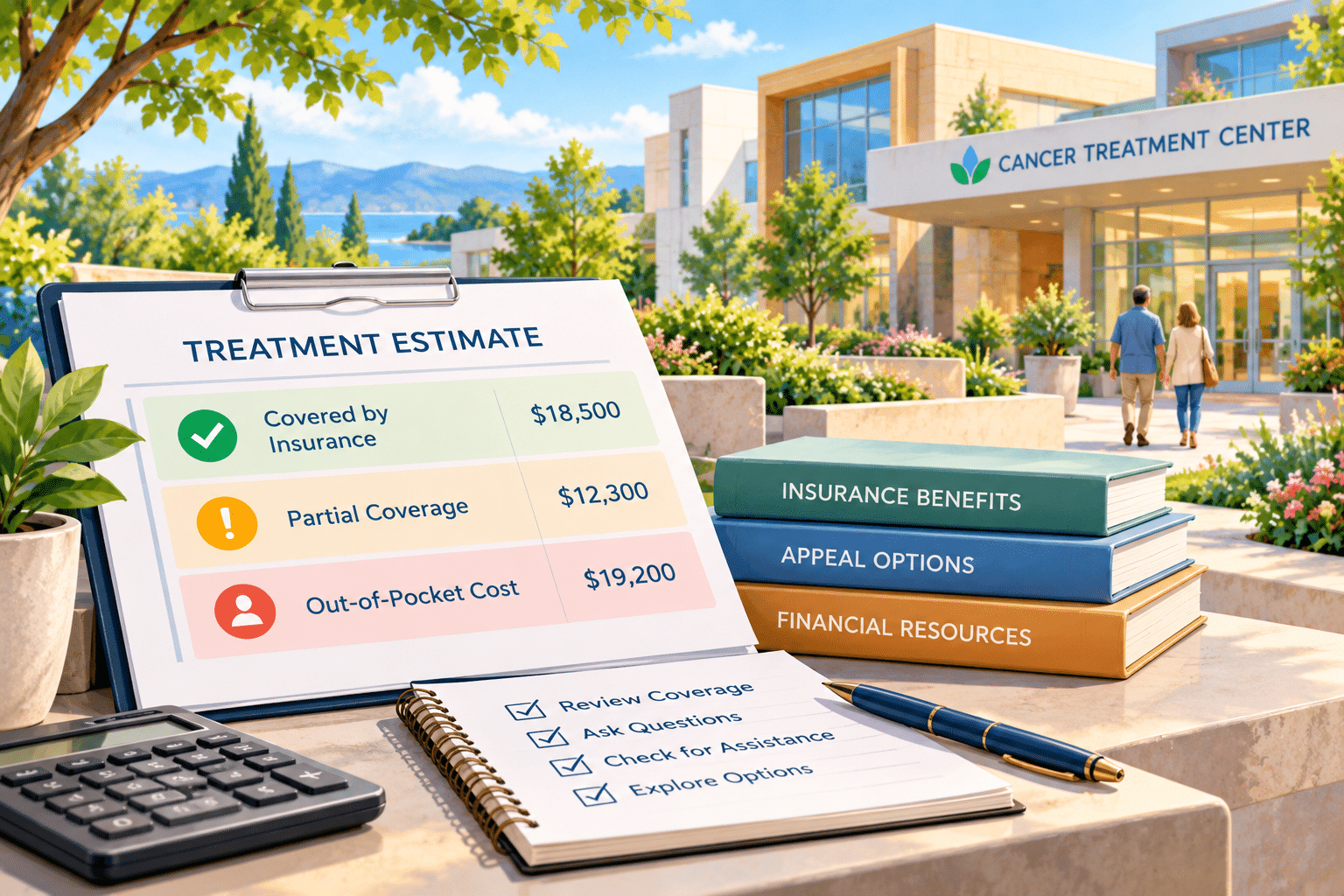
Insurance covers a portion of clinical treatment, but patients frequently need financial breathing room for supportive therapies, caregiving, or travel. Many families combine insurance benefits, employer leave programs, savings, and specialized financial tools to create enough flexibility to make thoughtful decisions.
3. Planning for Care Transitions
Glioblastoma treatment is not linear. Financial planning has to be equally adaptive. A quarterly review — timed alongside MRI or treatment check-ins — helps families adjust without panic.
A Quiet Tool Many Patients Use: Viatical Settlements
At some point in the conversation, patients often ask whether they have options beyond traditional benefits or personal savings. For many facing aggressive cancers, a viatical settlement becomes an empowering part of the plan.
A viatical settlement allows a patient to sell their life insurance policy and access immediate funds while still alive. Often times a viatical settlement can result in 60% or more of the policy benefit paid out today in cash. Used thoughtfully, it gives families the ability to:
- expand their care options
- start integrative therapies earlier
- reduce out-of-pocket pressure
- support home care or family needs
- make treatment decisions based on preference, not financial tension
Cancer Care Financial works specifically with cancer patients, helping them understand whether this option fits their situation and how it may give them greater freedom during glioblastoma treatment. Patients describe it less as a financial product and more as a practical support tool — a way to create stability so they can focus on their care.
Moving Through Treatment With Clarity
A more grounded perspective is emerging among glioblastoma patients and caregivers: care works best when it’s coordinated, intentional, and shaped around the patient’s actual lived experience. Integrative therapies offer steadiness, conventional treatment provides structure, and financial planning creates the freedom to make decisions without panic. When these pieces are aligned, patients often feel a renewed sense of clarity — not because the path is easy, but because they’re moving through it with agency, support, and a plan that reflects their values.
People Also Ask
How can integrative care help glioblastoma patients manage cognitive changes?
Targeted mind–body techniques, paired with neuro-rehabilitation exercises, help improve focus, sleep, and emotional steadiness. These approaches don’t stop tumor-related symptoms, but they support daily functioning in ways patients feel immediately.
Are holistic therapies safe during glioblastoma treatment?
Most supportive therapies — acupuncture, massage, guided breathwork, individualized nutrition — are safe when coordinated with the oncology team. The key is communication, not restriction.
Can personalized nutrition really make a difference for glioblastoma patients?
Yes. Patients often tolerate treatment better, maintain energy, and stabilize their weight when nutrition is tailored to their specific symptoms and treatment phase.
How do families prepare financially for the unpredictability of glioblastoma care?
The most effective method is organizing expenses into categories, building a flexible funding strategy, and aligning financial check-ins with clinical check-ins to prevent crisis-based decisions.
What is the role of viatical settlements in glioblastoma care planning?
A viatical settlement can give patients immediate access to their life insurance value, offering financial stability for integrative care, caregiving, travel, or treatment needs. It’s often used as a way to create breathing room in an otherwise stressful period.
Is integrative glioblastoma care only available at major cancer centers?
No. Patients often build excellent integrative care teams through specialized integrative cancer care clinics, local dietitians, neuro-rehab therapists, mind–body practitioners, and virtual programs. Coordination matters more than location.